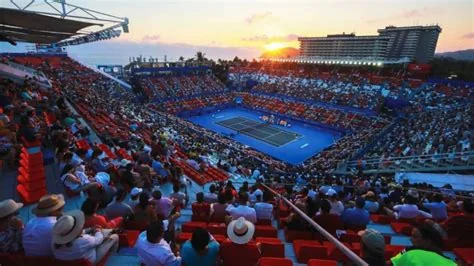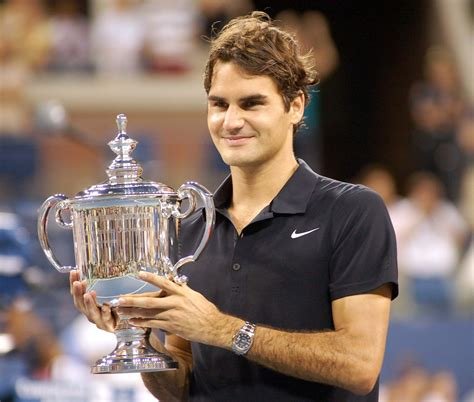
At 44, Roger Federer stunned the Australian Open crowd by defeating world No. 13 Casper Ruud 7‑2 in a tie‑break during a televised exhibition on Rod Laver Arena. The Swiss legend’s precise serve and aggressive play demonstrated that his elite shot‑making and competitive fire remain intact, offering fans a memorable showcase of tennis mastery.
Federer’s Performance Highlights
From his opening serve at 138 km/h to a crisp volley sequence, Federer claimed the first three points and then sealed the tie‑break with two forehand winners down the line. The 7‑2 scoreline reflected his ability to mix short serves, aggressive net play, and pinpoint backhand precision, leaving Ruud on the defensive throughout.
Key Statistics
- Serve speed: 138 km/h on first point
- Tie‑break score: 7‑2
- Opponent ranking: World No. 13
- Age: 44 years
Why the Exhibition Matters for Tennis
The match underscored the growing role of retired champions in Grand Slam events. By offering a high‑quality practice session against a former world No. 1, the Australian Open enhanced fan experience, boosted ticket sales, and provided active players with a rare chance to test skills against a legend.
Benefits for Fans and Players
- Elevated entertainment value during early‑round sessions
- Increased media coverage and global viewership
- Motivation for younger players seeing elite technique up close
Impact on the Australian Open and Global Audience
As one of the most‑watched tennis tournaments, the Australian Open leveraged Federer’s appearance to attract broader audiences, especially in the Asia‑Pacific region where tennis participation is rising. The showcase reinforced the event’s reputation as a premier stage for both competition and celebration of the sport’s history.
Legacy and Future Implications
Federer’s graceful display at 44 serves as a reminder that technique and mental fortitude can transcend age. The performance bridges tennis’s golden era with its evolving future, inspiring fans and confirming that greatness endures beyond active competition.