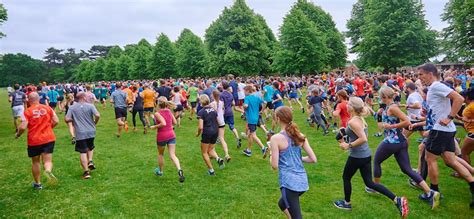
In 2026 parkrun is rapidly expanding across New Zealand, offering free 5 km runs in new neighbourhoods, reinforcing community ownership, inclusivity, and health benefits. The “Start your own event” drive invites volunteers and local councils to launch fresh courses, while recent successes in Ohakune and a strategic venue shift in Wellington illustrate the movement’s growing impact.
Start Your Own parkrun – How Communities Can Launch New Courses
A prominent banner on the parkrun New Zealand website now reads “Start your own event.” Anyone with a suitable public space can fill out an online form, receive a licence, and open a weekly run at no cost. The low‑barrier process has already generated hundreds of inquiries, and towns such as Ohakune and Lower Hutt have seen new courses open, suggesting the total number of New Zealand locations could soon exceed the current 30‑plus.
Founder’s Reflection: Community Ownership, Inclusivity, Health Impact
Founder Paul Sinton‑Hewitt highlighted three pillars that keep parkrun resilient:
- Community Ownership – Volunteers frequently outnumber participants, ensuring each run is run by locals who love it.
- Inclusivity – The free‑to‑join model removes socioeconomic barriers, attracting families, seniors, and people with disabilities.
- Health Impact – Network data shows increased physical activity, improved mental wellbeing, and lower chronic‑disease rates among regular participants.
Wellington Transition: From Wellington parkrun to Kleinevalleij
The historic Wellington parkrun ceased operations and was replaced by the newly created Kleinevalleij parkrun. Venue constraints prompted the change, and a partnership with the council secured a coastal 5 km loop that retains the original’s community feel while offering fresh scenery. Meanwhile, the Lower Hutt parkrun continues to thrive, drawing joggers, walkers, volunteers, and spectators each Saturday at 08:00 am.
Success Story: Mangawhero River Walk parkrun in Ohakune
Since its launch, the Mangawhero River Walk parkrun has logged 1,146 participants completing 2,235 runs (over 11,175 km) and recorded 260 new personal bests. Organizer Emma Rutherford credits strong volunteer leadership and outreach to schools and iwi groups for the rapid uptake, positioning the Ohakune model as a blueprint for new runs.
Implications for Growth, Health, and Social Cohesion
- Accelerated Growth – The “Start your own event” initiative could add 10‑15 new courses within the next 12 months, especially in regional towns.
- Public Health Boost – Free, low‑threshold runs support national goals to reduce obesity and improve mental health.
- Social Capital – Volunteer‑led events bridge age, ethnicity, and socioeconomic divides, strengthening community bonds.
- Economic Ripple Effects – Local cafés and bike shops report higher Saturday‑morning patronage, reflecting modest economic benefits.
What’s Next for parkrun in New Zealand 2026
As 2026 progresses, parkrun’s trajectory combines expansion with introspection. New courses, refreshed venues, and continued volunteer enthusiasm ensure the movement remains free, inclusive, and community‑driven, reshaping New Zealand’s sporting narrative one Saturday morning at a time.