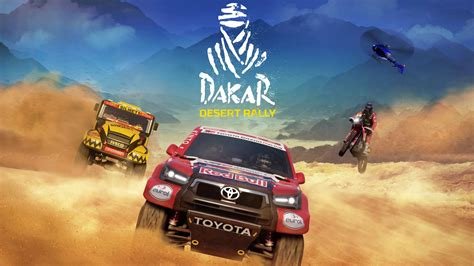
Luciano Benavides captured the 2026 Dakar Rally bike title, finishing just two seconds ahead of rival Ricky Brabec after 12 grueling stages covering 8,500 km. The Argentine’s victory marked a razor‑thin margin that decided the championship in the final kilometre, while Qatari veteran Nasser Al‑Attiyah closed in on a record‑breaking sixth car title.
Benavides’s Two‑Second Triumph in the Bike Category
Final Stage Drama
The showdown unfolded on the sand‑laden stretch between Al Henakiyah and Yanbu. Brabec, who had led most of the rally, mis‑judged a high‑speed corner, losing precious time. Benavides, riding his KTM 450 SX‑F, seized the moment, launching a clean attack that secured a final overall time of 52 hours 34 minutes 12 seconds, just two seconds ahead of Brabec’s 52 hours 34 minutes 14 seconds. The finish highlighted the importance of precision and endurance in Dakar’s extreme conditions.
Rider Reactions
“It’s the kind of finish you dream about as a kid,” Benavides said, his voice hoarse from the desert wind. “Every second counted, every bump, every sand dune.” Brabec praised Benavides’s composure, noting that the Argentine “rode a perfect rally” and turned a mistake into a winning move.
Al‑Attiyah’s Sixth Dakar Victory Shaping Legend Status
Consistent Mastery
In the car division, Nasser Al‑Attiyah piloted a Dacia Duster to his sixth Dakar title. Throughout the rally, he never fell more than 15 minutes behind the stage leader, navigating dunes, rocky plateaus, and night‑time sandstorms with precise navigation. This win brings him within two victories of Stéphane Peterhansel’s all‑time record of 14 overall Dakar triumphs.
Brand Impact
The victory underscores Dacia’s rise in rally‑raid competition. Strategic engineering and a lightweight chassis have allowed the brand to challenge traditional powerhouses, shifting the manufacturer hierarchy toward cost‑effective performance.
What the 2026 Dakar Rally Means for the Future
Manufacturers Battle and Sustainability
The two‑second bike margin illustrates a growing parity between KTM and Honda, with both manufacturers pushing the limits of the 450 cc platform. In the car class, Dacia’s success signals that innovative, affordable designs can rival legacy marques. Additionally, the rally’s increased focus on hybrid prototypes and stricter emission standards for support vehicles points to a greener direction for future editions.
Implications for Riders and Teams
- Benavides: The title boosts his profile, likely attracting enhanced factory backing and sponsorship opportunities.
- Honda: The narrow loss will drive development of a next‑generation bike aimed at shaving seconds off lap times.
- Al‑Attiyah: A potential seventh win in 2027 could place him within striking distance of Peterhansel’s record, intensifying media and fan interest.
- Dacia: The rally success may expand its market share in off‑road vehicles and strengthen its brand narrative.
Closing Thoughts
The 2026 Dakar Rally delivered a dramatic bike duel decided by just two seconds and a veteran driver edging closer to an almost mythical record. As teams return to their workshops and fans await the next edition, the rally’s blend of endurance, technology, and emerging sustainability standards ensures it remains the pinnacle of off‑road motorsport.