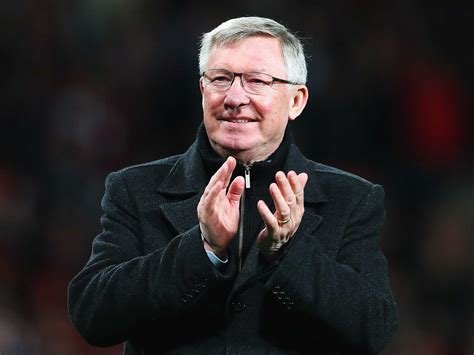
Sir Alex Ferguson’s enduring influence remains a central factor in Manchester United’s hunt for a new head coach. His record of success, cultural ethos, and recent behind‑the‑scenes advice provide the club with a clear framework, while also raising questions about how to blend historic principles with modern football innovations.
Sir Alex Ferguson’s Record‑Breaking Tenure
From 1986 to 2013, Ferguson transformed United into a global powerhouse, securing 13 Premier League titles, five FA Cups and two UEFA Champions League trophies. His emphasis on youth development, relentless work ethic, and tactical adaptability set a benchmark that still defines the club’s identity.
From Glasgow Shipyards to Old Trafford – The Journey
Born in Glasgow, Ferguson rose from humble beginnings, trading early labor on shipyard decks for a future on the football pitch. His personal story of determination and resilience mirrors the values he instilled at United, creating a cultural blueprint that continues to inspire players and staff alike.
The Rare Derby Absence and Its Symbolism
Only twice in his 27‑year managerial career did Ferguson miss a Manchester Derby, underscoring his legendary dedication. The lone missed match, caused by an unexpected schedule change, sparked a wave of tributes and highlighted how his presence on match days became synonymous with United’s fighting spirit.
Behind the Scenes – Ferguson’s Influence on the New Coach Decision
Recent reports suggest Ferguson has been quietly advising the board as United evaluates interim and permanent candidates. His recommendations focus on preserving the “Ferguson way” – professionalism, loyalty, and a clear footballing philosophy – while encouraging the selection of a manager who can evolve with contemporary demands.
Potential Candidates: Michael Carrick vs Ole Gunnar Solskjær
- Michael Carrick – Former midfield anchor with deep tactical knowledge and a reputation for nurturing young talent.
- Ole Gunnar Solskjær – Club legend who previously led United, known for his attacking mindset and connection with the fan base.
Balancing Nostalgia and Modern Tactics
While Ferguson’s legacy offers a unifying narrative, United must avoid relying solely on nostalgia. The modern game demands data‑driven analysis, high‑pressing systems, and innovative scouting. A successful manager will need to honor traditional principles while integrating cutting‑edge strategies.
What United Needs for Future Success
- Strong youth development pipeline that mirrors Ferguson’s “Class of ‘92” model.
- Data‑driven tactical planning and in‑game adjustments.
- High‑pressing, adaptable formations to compete with top European clubs.
- Global scouting network to identify emerging talent worldwide.
Conclusion – Legacy as a Living Strategy
Sir Alex Ferguson’s voice continues to echo through Old Trafford, offering both a reminder of past excellence and a strategic compass for the future. By harnessing his enduring principles while embracing modern innovations, Manchester United can craft a managerial path that honors its heritage and secures competitive success for years to come.