

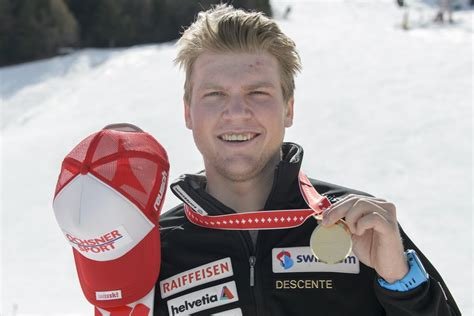
Swiss alpine racer Niels Hintermann returned to the World Cup after battling lymph‑node cancer that sidelined him for the 2022‑23 season. Within weeks of his comeback, he posted a top‑30 downhill finish and set his sights on the Milano‑Cortina 2026 Winter Games, aiming to turn his recovery into an Olympic medal quest.
Diagnosis and Early Struggle
In early 2022 routine medical checks revealed a malignant growth in Hintermann’s lymphatic system. The diagnosis forced him to abandon a promising season and begin an intensive chemotherapy regimen. During treatment he was confined to bed, experiencing severe fatigue and isolation, far removed from the slopes that had defined his life since childhood.
Support System That Fueled Recovery
Hintermann’s wife, former elite skier and physiotherapist, became his daily anchor, coordinating appointments, guiding rehabilitation exercises, and keeping his mindset focused on the future. Teammates and coaches from the Swiss Ski Team visited regularly, reinforcing a sense of belonging and reminding him of the competitive world awaiting his return.
Return to Competition
After twelve months of treatment and a rigorous rehab program, Hintermann made his comeback at the Wengen downhill on 27 January 2024. He finished within the top 30, demonstrating the fluidity and speed that characterized his pre‑illness performances. The run was hailed as a symbolic statement of resilience, confirming that the mountain still belongs to him.
Targeting Milano‑Cortina 2026
With the 2026 Winter Olympics two years away, Hintermann has mapped a strategic World Cup schedule to sharpen his speed and confidence. He describes the Games as a “new chapter” and emphasizes that every run now carries a message of perseverance. The Swiss Ski Federation has pledged full logistical and medical support, allowing him to focus entirely on training and recovery.
Impact on Alpine Skiing
Hintermann’s openness about his health battle has sparked discussions within the sport about enhanced medical monitoring and psychological services for athletes. His return adds depth to the Swiss downhill roster, which already features top racers. If he regains his pre‑illness pace—once a career‑best 2:04.87 at Kitzbühel—Switzerland will be a strong contender for medals in both downhill and super‑G at Cortina.
Message of Hope
Hintermann’s mantra remains simple: “Train hard, stay grateful, and keep sharing.” His experience with cancer has amplified his appreciation for life and sport, inspiring fans worldwide. Whether he reaches the podium in Wengen, claims an Olympic medal in Cortina, or simply finishes each race, his story already represents a victory of courage over adversity.


