The 2026 FIFA World Cup, jointly hosted by the United States, Canada and Mexico, will feature an expanded 48‑team format, promising more nations a chance at the global stage. Alongside the on‑field excitement, the tournament faces political tensions and a projected $30 billion commercial boom, making it the most consequential World Cup in modern history.
Brief History of the FIFA World Cup
Since the inaugural tournament in 1930, the FIFA World Cup has been staged 22 times through 2022, with 80 national teams competing and eight countries—Brazil, Germany, Italy, Argentina, Uruguay, France, England and Spain—capturing the trophy. Brazil holds the record with five titles and participation in every edition.
Five Must‑Know Facts About World Cup 2026
- Triple‑Nation Hosting: For the first time, three countries—USA, Canada and Mexico—will co‑host, creating the most expansive stage in FIFA history.
- Expanded Field: The tournament grows to 48 teams, increasing opportunities for nations from Asia, Africa and South America to reach the knockout phase.
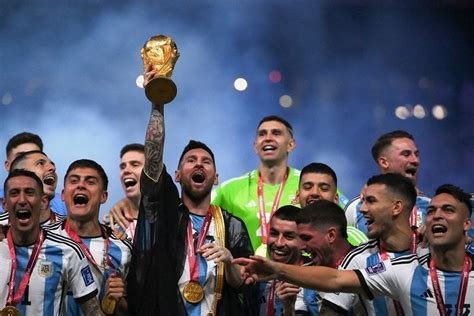
- Potential Final Appearances for Legends: Rumors suggest the 2026 edition could be the last World Cup where icons like Lionel Messi and Cristiano Ronaldo might appear, even if they retire beforehand.
- Technological Innovations: FIFA plans broader use of VAR and introduces biometric sensors to monitor player fitness in real time.
- Economic Impact: Commercial revenue is projected at $30 billion, positioning the event as the largest investment opportunity for global sponsors.
Political Controversies Surrounding the Tournament
Geopolitical tensions have surfaced as some officials call for a boycott over diplomatic disputes involving host nations. Additionally, outspoken political figures have issued verbal threats toward countries that have already secured qualification, adding a layer of diplomatic strain that could influence the tournament’s perception.
Implications for the Competition
Impact on FIFA’s Reputation
The political disputes test FIFA’s commitment to sporting neutrality. Prolonged boycotts or diplomatic pressure may force the organization to reaffirm its non‑political stance, echoing measures taken during previous editions.
Impact on Teams and Players
The 48‑team format opens the door for emerging football nations. Countries such as Indonesia, which earned six points in the Asian qualifying stage, now have a realistic chance to compete in the group phase, boosting regional enthusiasm for the sport.
Economic and Infrastructure Effects
Major infrastructure projects in the United States, Canada and Mexico will leave lasting stadiums, transportation networks and training facilities. However, the high costs raise questions about long‑term economic sustainability, especially if participation drops due to political boycotts.
What Fans Can Expect
Fans will witness historic firsts, from debut appearances by new nations to potential clashes between football generations. The blend of cutting‑edge technology, expansive competition and heightened political dialogue promises a World Cup that could redefine the sport’s global influence.