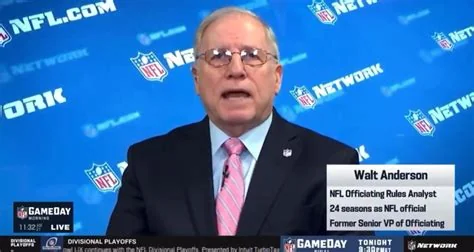
Walt Anderson, former NFL referee and current rules analyst, defended the Denver Broncos’ overtime interception against the Buffalo Bills, explaining why the play met the league’s “control” and “post‑release” criteria. He also clarified the replay review timeline and addressed growing concerns about the anonymity of the NFL’s replay officials.
The Overtime Play That Sparked Debate
In the final seconds of overtime, Broncos cornerback Ja’Quan McMillian leapt for a pass from Bills quarterback Josh Allen. After a rapid review, officials upheld the interception, allowing Denver to drive for the winning field goal.
Key Moments of the Interception
- Allen threw a 350‑yard, three‑touchdown performance before the decisive play.
- McMillian secured the ball before hitting the ground, prompting a Bills challenge.
- The review lasted under the standard 90‑second window for overtime decisions.
Walt Anderson’s Three‑Point Defense
Ball Control Confirmed
Anderson emphasized that McMillian’s hands were on the football before contact with the ground, satisfying the NFL’s definition of a completed catch. “The ball was in his possession, and the momentum carried him forward,” he said.
Defensive Contact Rule
He clarified that any contact after the quarterback releases the ball does not constitute illegal interference. “The rule protects the quarterback only up to the point of release,” Anderson explained.
Replay Review Process Explained
Anderson outlined the replay protocol: a “clear and obvious” standard applies, and officials rely on multiple camera angles. Reviews typically last 90 seconds, extending to two minutes for overtime calls.
Replay Staff Transparency Issues
Anderson admitted that teams often do not know the identities of the replay officials, noting that the department is “intentionally insulated to protect the integrity of the process.” This lack of visibility has fueled calls for greater openness.
Implications for the NFL
- Rule Interpretation Consistency: Reinforcing “control” and “post‑release” criteria may reduce future ambiguity, though critics argue the language remains vague.
- Replay Transparency: Potential solutions include publishing a seasonal roster of replay officials or providing post‑game review summaries.
- Coaching Strategies: Knowing the “clear and obvious” standard may lead coaches to reserve challenges for indisputable evidence.
- Public Perception: High‑profile disputes affect fan trust; veteran explanations help but cannot fully quell skepticism without systemic changes.
Future Outlook for Officiating
As the season progresses, the NFL will likely encounter additional flashpoints that test the balance between rapid decision‑making and thorough review. Anderson’s candid analysis sets a benchmark for how former officials can shape the conversation, potentially guiding future adjustments to replay procedures and transparency policies.