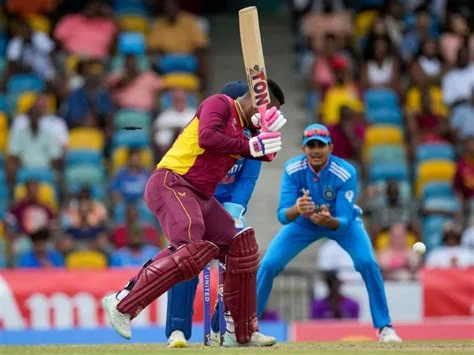


Rachin Ravindra made 44 runs for New Zealand in the second T20 International against India at Raipur, hitting a crucial boundary before falling to Kuldeep Yadav’s spin. His innings sparked a brief surge, but the dismissal halted the momentum, contributing to New Zealand’s 12‑run defeat and highlighting the fine line between aggression and vulnerability in T20 cricket.
Boundary That Boosted New Zealand’s Chase
Mid‑way through the chase, New Zealand were 84 for 3. Ravindra seized the moment, lofting a well‑timed boundary that pushed the total past 90. The shot not only added valuable runs but also lifted the confidence of a middle order under pressure from India’s disciplined bowling attack.
Kuldeep Yadav’s Spin Dismissal Changes Momentum
Just a few overs later, left‑arm wrist‑spinner Kuldeep Yadav delivered a tighter, flatter ball that coaxed a false shot from the well‑set Ravindra. Caught at 44, the wicket halted New Zealand’s surge and shifted the pressure back onto the visitors, who eventually fell short by 12 runs.
Statistical Snapshot: Ravindra vs India
- Matches vs India: 34 T20I innings
- Total runs: Over 800
- Average: Around 30
- Strike rate: Exceeds 130
- Highest score vs India: 68
- Bowling figures in series: 3 wickets, best 2 for 22
From ODI Breakthrough to T20 Mainstay
Ravindra’s rise began with gritty half‑centuries in ODIs, earning him a spot in New Zealand’s limited‑overs core. In T20 cricket, his aggressive batting and ability to pick up key wickets have drawn comparisons to former New Zealand stalwarts. The Raipur match tested his skill on spin‑friendly sub‑continental pitches, exposing both his adaptability and the need to refine his approach against quality wrist spin.
Series Implications and Future Outlook
For New Zealand, Ravindra’s ability to accelerate the scoring rate remains vital, especially when the top order falters. However, his dismissal underscores the importance of a deeper batting lineup that can absorb the loss of a middle‑order catalyst. India will look to replicate Kuldeep’s success in the final T20, using spin to disrupt New Zealand’s momentum. Upcoming matches will be a litmus test for Ravindra’s capacity to convert promising starts into match‑winning innings.