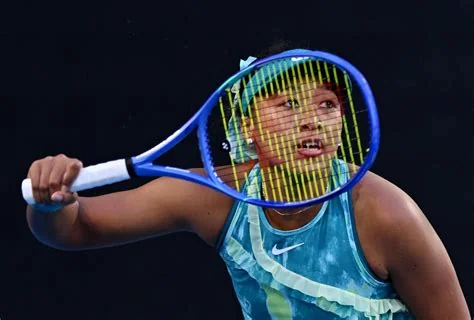
Four‑time Grand Slam champion Naomi Osaka has withdrawn from the Australian Open after being diagnosed with a left abdominal strain. The injury forced her out before her scheduled third‑round match against Australian qualifier Madison Inglis, granting Inglis a walkover into the round of 16. Osaka’s exit reshapes the women’s draw and raises questions about her upcoming season.
Injury Details and Immediate Impact
Osaka’s team confirmed the condition as a left abdominal muscle strain that worsened during post‑match training. The strain is common among players who generate power from the core, especially after a demanding schedule that included recent events in the United Arab Emirates and the U.S. hard‑court circuit. Medical staff decided that withdrawing was the safest option to protect Osaka’s long‑term health.
Effect on the Australian Open Women’s Draw
As a two‑time Australian Open champion and former world No. 1, Osaka’s presence typically draws significant media attention and commercial interest. Her removal opens a clearer pathway for other top contenders, such as Iga Świątek, Madison Keys, and Amanda Anisimova, who now face a slightly less congested second half of the draw.
Madison Inglis: Walkover Opportunity
Australian qualifier Madison Inglis advances to the round of 16 without playing a match. The walkover provides valuable ranking points and a confidence boost that could accelerate her development. Historically, qualifiers who capitalize on such chances have made rapid progress on the tour.
Potential Benefits for Inglis
- Earns first‑round points without the physical toll of a match.
- Gains exposure on a major stage, attracting sponsorship interest.
- Builds experience against higher‑ranked opponents in later rounds.
Ranking Implications for Naomi Osaka
Osaka entered Melbourne inside the top 15. Missing out on third‑round points could see her slip out of the top 20, especially as rivals continue to accumulate points throughout the season. The injury also casts doubt on her preparation for the upcoming clay‑court swing, where she has previously shown strong form.
Outlook and Recovery Plan
Osaka’s coach, Jermaine Jenkins, emphasized that the decision to withdraw was made “in the best interest of Naomi’s long‑term health.” The player will follow a structured rehabilitation program focusing on core strength and flexibility, aiming to return to competition in time for the next major events.
Fans and the tennis community will monitor her progress closely, hopeful that the four‑time Grand Slam champion can come back stronger and healthier for the remainder of the season.