
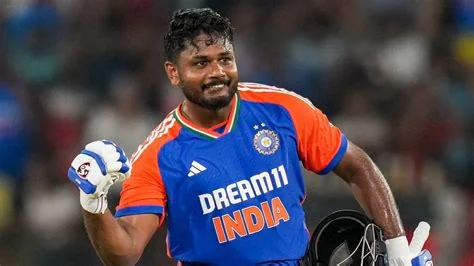
Sanju Samson faces an uncertain future as India’s opening batsman for the 2026 ICC Men’s T20 World Cup. Despite being named in the initial squad, his recent dip in form—only one half‑century in the last ten T20I innings—has sparked intense debate. Selectors weigh his left‑handed option against rising rivals like Shubman Gill and Ishan Kishan, with the upcoming New Zealand series set to be decisive.
Selection Saga Overview
Initial Decision and Rationale
The board announced Samson as the opener, favoring a left‑right combination at the top. Chief selector emphasized team balance over pure statistics, highlighting Samson’s ability to rotate strike and anchor innings.
Recent Performance on New Zealand Tour
In the fourth T20 against New Zealand, Samson managed 31 runs off 24 balls. While not a failure, the innings featured numerous dot balls, leaving doubts about his capacity to provide a brisk start in high‑pressure matches.
Recent Numbers Reveal Decline
Score Summary of Last Ten T20I Innings
Samson’s last ten outings produced scores of 57, 22, 18, 13, 9, 12, 15, 8, and a duck. The solitary fifty came against a weaker opponent, underscoring a stark drop from his earlier centuries.
Strike Rate and Boundary Percentage Drop
His strike rate fell from a career average of 138 to 112 in this period, while boundary percentage slipped from 45% to 31%, indicating reduced aggression during the powerplay.
Emerging Competition
Shubman Gill’s Resurgence
Gill, after a modest 37 against South Africa, has been refining his power‑hitting in domestic cricket, positioning himself as a viable alternative for the opening slot.
Ishan Kishan’s IPL Form
Kishan has averaged 45 with a strike rate above 150 in the recent IPL phase, showcasing the explosive start the selectors may desire for the World Cup.
Abhishek Sharma’s Versatility
Sharma offers flexibility, capable of opening or finishing, adding depth to the limited‑overs squad and appealing to a selection panel that values multi‑role players.
Selector Priorities
Left‑Handed Option and Team Balance
Agarkar stresses the need for a left‑handed opener to disrupt opposition plans, citing Samson’s calm demeanor and ability to anchor if early wickets fall.
Importance of Form and Situational Performance
While balance is crucial, selectors acknowledge that current form cannot be ignored. They are also assessing how players handle pressure, adapt to varied pitches, and contribute in the field.
Impact on India’s World Cup Strategy
Potential Line‑up Changes
Replacing Samson with a in‑form player like Kishan would shift the top order to a more aggressive, right‑handed pair, affecting the middle order and possibly moving veteran Hardik Pandya down the batting lineup.
Risks of Retaining vs Replacing Samson
Keeping Samson signals confidence in experience and stability, a gamble that may pay off on slower sub‑continental pitches but could be costly on faster tracks such as those in the West Indies or New Zealand.
What Lies Ahead
Upcoming New Zealand Matches
The next two T20s against New Zealand are critical. A quickfire fifty or a match‑winning innings could cement Samson’s place; continued modest scores may prompt a last‑minute reshuffle.
Key Metrics That Will Decide the Spot
Selectors will focus on strike rate, boundary frequency, and the ability to convert starts into substantial scores under pressure. The final decision will hinge on whether Samson can align his performance with the team’s strategic needs.