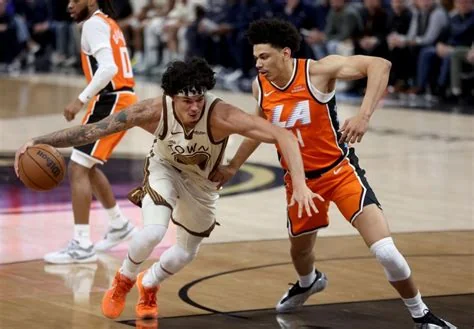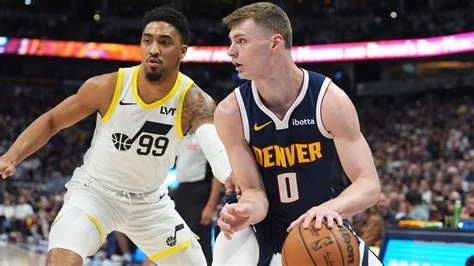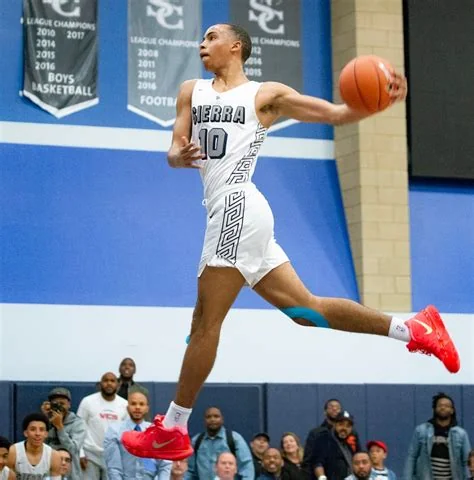
Amari Bailey, a former UCLA star who appeared in ten games for the Charlotte Hornets during the 2023‑24 NBA season, has hired an agent and a sports‑law attorney to petition the NCAA for a final year of college eligibility. If granted, he would become the first player to leave the NBA and return to NCAA competition.
From UCLA Breakout to NBA Bench
Bailey rose to prominence as a sophomore in 2021‑22, helping UCLA capture the Pac‑12 title and advance deep into the NCAA tournament. Known for a quick first step, defensive intensity, and clutch three‑point shooting, he finished his college career averaging 13.5 points, 3.2 rebounds, and 2.5 assists per game. After going undrafted in 2023, he secured a two‑way contract with the Charlotte Hornets, splitting time between the NBA squad and its G‑League affiliate.
NBA Experience Overview
In Charlotte, Bailey logged ten regular‑season games, averaging 2.1 points in 6.4 minutes per appearance. Although brief, this stint classifies him as a professional under current NCAA bylaws, which traditionally bar athletes who have competed in a professional league from returning to college competition.
Legal Strategy and Agent Representation
On June 28, Bailey announced the retention of a sports‑law attorney (name undisclosed) and the signing of an agent to guide the eligibility petition. The filing to the NCAA’s Division I Committee on Student‑Athlete Eligibility argues that Bailey’s NBA exposure was limited to a short‑term, non‑guaranteed contract and that he did not receive a salary exceeding the league’s minimum. The petition cites the “exceptional circumstances” clause introduced after the 2021 NIL reforms, emphasizing his primary goal of completing his education and competing at the collegiate level.
Potential Precedent and Impact on NCAA Rules
The NCAA has recently shown flexibility for athletes with brief professional exposure, but no player who has appeared in an official NBA regular‑season game has been granted a return. Approval of Bailey’s request would establish a new benchmark, potentially opening a pathway for fringe NBA players—those on two‑way contracts or short‑term call‑ups—to consider a return to college to showcase skills, finish degrees, or enjoy the game at a different level.
Implications for College Basketball and Recruiting
A successful petition could pressure the NCAA to codify clearer guidelines for athletes with limited professional experience, possibly creating a formal “re‑entry” pathway. Colleges stand to benefit from the marketability and professionalism of a player with NBA experience, boosting ticket sales, media attention, and recruiting appeal. However, critics warn that allowing former pros back into the college game could blur the line between amateur and professional competition, raising concerns about fairness and the developmental purpose of collegiate sports.
Timeline and Next Steps
The NCAA eligibility committee typically reviews waiver requests within 30 to 45 days. Bailey’s case is slated for a hearing in the coming weeks, with a decision expected before the start of the 2024‑25 college season. In the interim, he has enrolled in a summer coursework program at UCLA, demonstrating his commitment to both academics and basketball.
Regardless of the outcome, Bailey’s pursuit highlights a shifting paradigm in the relationship between college athletics and professional sports. As the NCAA continues to adapt to modern athletes’ realities—branding, mobility, and career flexibility—this case may become a catalyst for new eligibility rules that reflect the nuanced journeys of today’s basketball talent.