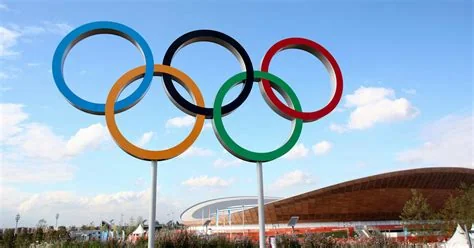
The Olympic rings have taken center stage in Milan as the city prepares for the 2026 Winter Games, with a massive plaza installation drawing crowds and athletes alike. This striking display not only highlights the timeless symbol of global unity but also fuels excitement, cultural engagement, and personal tributes that will shape the Games’ legacy.
What the Olympic Rings Represent
The five interlocking circles symbolize the union of the world’s continents and the gathering of athletes under a single banner of sport. Their colors were chosen so that at least one appears on every national flag, reinforcing the inclusive spirit of the Olympic Movement.
2026 Milan Plaza Installation
In Piazza del Duomo, a gleaming arrangement of the rings stands against a crisp white backdrop, mirroring the original flag design. The installation transforms a historic public square into a living showcase of the Olympic brand, inviting locals and visitors to interact with the emblem daily.
Strategic Placement in Piazza del Duomo
Positioning the rings in a high‑traffic area makes the symbol accessible to all, turning a tourist hotspot into a focal point for Olympic enthusiasm. This approach aims to weave the Games into the city’s everyday life, encouraging a lasting sense of ownership among residents.
Athlete Tattoos Celebrate the Legacy
Winter sport competitors are increasingly choosing the Olympic rings as permanent tattoos, turning the emblem into a personal badge of honor. The ink serves as a reminder of the sacrifices, camaraderie, and pride associated with representing one’s country on the world stage.
Personal Stories Behind the Ink
U.S. alpine skier Mia Thompson debuted a delicate ring design on her wrist after the 2022 Beijing Games. “Every time I look at it, I’m reminded why I train through the cold and the pain,” she said, highlighting how the symbol fuels motivation and reflects achievement.
Implications for the 2026 Winter Games
- Brand Amplification: The rings’ visibility in public spaces and on athletes creates a multi‑layered branding ecosystem that sponsors and broadcasters can leverage for storytelling.
- Cultural Integration: Embedding the emblem in civic life fosters local pride, potentially boosting ticket sales, volunteer recruitment, and overall event atmosphere.
- Legacy Building: Athlete tattoos act as living archives, linking personal histories to the broader narrative of Milano‑Cortina 2026 for future generations.
- Athlete Well‑Being: Permanent ink reflects the deep emotional connection athletes have with the Games, underscoring the event’s significance in short‑career winter sports.
IOC Marketing Perspective
“When we designed the Milan plaza installation, we wanted the rings to be more than a backdrop—they had to be an invitation. The public can walk through, touch, and photograph the symbol, making the Olympic experience tactile. Seeing athletes choose to ink the rings tells us the emblem resonates on a personal level,” explains Elena Rossi, IOC Marketing Director. “For future Games, we’ll explore interactive displays that let fans engage digitally, perhaps through AR experiences that tie personal stories to each color.”
Looking Ahead to Milano‑Cortina 2026
As the countdown to the opening ceremony continues, the Milan rings are already weaving a story of unity, personal triumph, and cultural celebration. Whether captured in a tourist’s Instagram feed or etched onto an athlete’s skin, the five interlaced circles remain the most recognizable badge of global sport, promising to inspire participants and fans throughout the 2026 Winter Games.