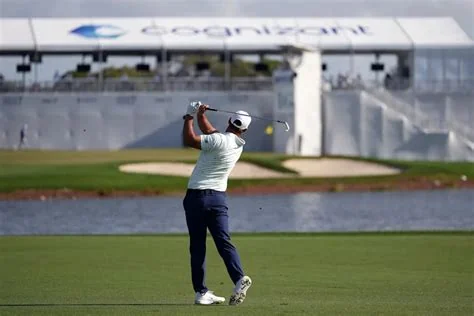
Bryson DeChambeau, the 2024 U.S. Open champion, has publicly condemned LIV Golf’s decision to switch all 2026 tournaments from 54 to 72 holes, calling it a breach of contract and a threat to player preparation. His criticism highlights concerns over fatigue, scientific training methods, and the league’s push for traditional legitimacy.
LIV Golf Announces 72-Hole Format for 2026
LIV Golf revealed that every event on its 2026 schedule will be contested over the traditional four‑day, 72‑hole format. The league frames the change as a move toward greater legitimacy and a response to criticism that its previous 54‑hole, three‑day structure was a gimmick that undermined the sport’s heritage.
DeChambeau’s Reaction
DeChambeau, who joined LIV in 2023 and serves as captain of the Crushers Golf Club franchise, responded within 48 hours. He stated that the league’s shift feels like a breach of trust because he signed a contract to play 54‑hole events. He warned that the longer schedule could disrupt his preparation, recovery, and the data‑driven approach he applies to every swing and club selection.
Why LIV Golf Adopted 54-Hole Format Initially
When LIV Golf launched in 2022, the 54‑hole format was a deliberate departure from the PGA Tour’s four‑day schedule. The league marketed the shorter events as fast‑paced and fan‑friendly, allowing a compact calendar that could host 14 events in a single season without overtaxing its roster of high‑profile sign‑ons.
Critics argued that a 54‑hole event reduces competition depth, diminishes endurance testing, and can produce volatile outcomes that don’t fully assess a golfer’s skill over a full week.
Potential Impact on LIV Golf
DeChambeau’s public dissent is the most high‑profile criticism the league has faced since its inception. While LIV has secured substantial investment and a roster of major champions, its credibility hinges on retaining elite talent. His comments could embolden other players uneasy about the format shift.
The timing is crucial: the 2026 season kicks off this week, placing the league under intense scrutiny from sponsors, broadcasters, and fans. If the new 72‑hole format fails to deliver the promised legitimacy, LIV could see a dip in viewership and a slowdown in its aggressive expansion plans.
DeChambeau’s Future Considerations
Recent statements confirmed DeChambeau’s commitment as Crushers GC captain through 2026, emphasizing his focus on building a competitive team and advancing golf science. However, the format change introduces variables—fatigue, recovery, mental stamina—that could disrupt the precise calibrations he relies on.
Analysts suggest he may be positioning himself for a potential return to the PGA Tour, where the traditional format aligns with his preparation methods, or using his stance as leverage to negotiate concessions such as schedule flexibility or additional performance incentives.
Expert Perspective on the Format Change
Mike “The Coach” Johnson, longtime PGA Tour swing coach, explained:
“Bryson’s concerns are legitimate from a performance science standpoint. A 72‑hole event demands a different conditioning regimen, nutrition plan, and mental preparation. When you sign a contract based on a 54‑hole schedule, you design your entire training cycle around that. Changing the variable mid‑contract is akin to a sprinter being told they now have to run a marathon. It’s not just about endurance; it’s about the whole ecosystem of preparation.”
Johnson emphasizes that the shift fundamentally alters athletes’ workload and could increase injury risk, especially for a player like DeChambeau who already pushes physical limits.
Looking Ahead: What to Expect
As LIV Golf rolls out its first 72‑hole event this week, all eyes will be on DeChambeau’s performance and whether his criticism translates into on‑course results. The league’s gamble is clear: align with tradition to gain legitimacy or risk alienating the very players who gave it a foothold.
For DeChambeau, the coming months could define the next chapter of his career—remaining a cornerstone of LIV’s evolving identity, negotiating a return to the PGA Tour, or forging a new path as a golf innovator outside the traditional circuit.