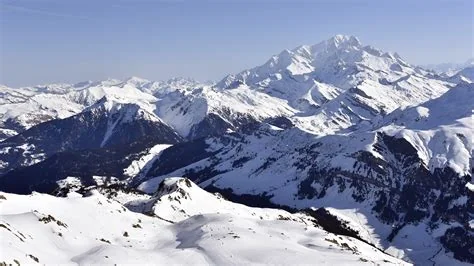
The French Alps 2030 Winter Games are facing a tight schedule as leadership turnover and construction delays threaten key milestones. With only four years left, the organising committee must accelerate venue completion, stabilize senior staffing, and address programme changes to ensure a sustainable, on‑time Olympics that meets athlete and sponsor expectations.
Vision in Motion
The 2030 Winter Games will return to France for the first time since Albertville 1992, centering on the iconic ski resorts of Val d’Isère, Tignes, and Méribel, plus new ice‑sport venues in Grenoble and Lyon. The plan emphasizes three core pillars:
- Legacy‑focused infrastructure – New constructions are designed for post‑Games community use, including a multi‑purpose ice arena that will become a regional sports hub and a high‑speed rail link that shortens travel times between Alpine venues and major French cities.
- Environmental stewardship – Organisers pledge a carbon‑neutral Games, leveraging renewable energy, extensive re‑forestation, and a “green‑ticket” system that offsets spectator travel emissions.
- Economic revitalisation – An estimated €2.5 billion in direct investment is expected to generate 12,000 permanent jobs and boost winter tourism for decades.
Detailed timelines cover venue construction, transport upgrades, and the rollout of a biometric digital ticketing platform – a first for the Winter Olympics.
Leadership Shake‑Up Raises Concerns
Hours before the recent briefing, the chair of the compensation committee resigned, marking the third senior official departure in two months. The exits of the chief legal officer and the head of marketing have intensified worries about governance stability during the critical four‑year countdown.
IOC officials assure that governance structures remain robust and succession plans are in place, but stakeholders fear potential delays in contract negotiations, sponsor activation, and athlete services.
Construction Lag: Behind Schedule
Key infrastructure projects are falling behind the original timetable. The alpine sliding track in La Plagne, slated for summer 2028 completion, is now approximately 18 months delayed due to supply‑chain disruptions and geological challenges. The ice‑sport arena in Grenoble faces permitting setbacks, pushing its opening to early 2029.
The organising committee is accelerating procurement and reallocating budget resources, yet critics warn that compressed testing phases could jeopardise venue readiness and athlete safety.
Program Review Opens Door for New Disciplines
The ongoing Olympic Programme Review, launched in 2023, is considering the inclusion of non‑traditional snow and ice sports such as cross‑country running and cyclocross. If approved, these events would represent a historic shift from the strict “snow and ice” mandate that has defined the Winter Olympics since 1924.
French sport officials view the potential additions as a chance to showcase the Alpine region’s diverse terrain and attract a younger, urban audience, while purists caution that expanded programmes could strain venue capacity and complicate scheduling.
Val d’Isère Takes a Big Step
Val d’Isère has secured a long‑term lease for the “Espace Olympique” site, earmarked for alpine skiing and snowboarding events. The agreement unlocks €150 million in public funding for venue upgrades, including a state‑of‑the‑art snow‑making system designed to mitigate climate variability.
Local mayor Anne‑Sophie Dubois described the deal as “the cornerstone of our Olympic legacy,” highlighting benefits for off‑season tourism and winter sports training programmes.
Implications for the 2030 Games
- Timeline pressure – Any further slippage could force accelerated testing phases, potentially compromising safety standards.
- Governance stability – Ongoing senior departures may erode sponsor confidence and affect funding and media rights negotiations.
- Program diversification – New sports could broaden appeal but will require additional venues or creative scheduling, adding logistical strain.
- Legacy credibility – Delivering sustainable infrastructure on time is essential to maintain public support and meet IOC climate‑action goals.
Practitioners Perspective
“From a coach’s standpoint, the biggest concern is the athlete experience,” says Marie‑Claire Lefèvre, head coach of the French national alpine ski team. “We rely on world‑class facilities that are fully tested well before the Games. Construction delays risk disrupting training camps, and last‑minute venue changes would affect our preparation cycles. The prospect of adding events like cyclocross is exciting, but we need clear communication to align athlete development pathways with the evolving programme.”
Looking Ahead
The French Alps organising committee will submit a revised progress report to the IOC by the end of the quarter, outlining corrective actions and updated timelines. As the 2030 Winter Olympics approach, the world will watch whether the Alpine vision can overcome internal and external challenges to deliver a spectacular, sustainable Games.