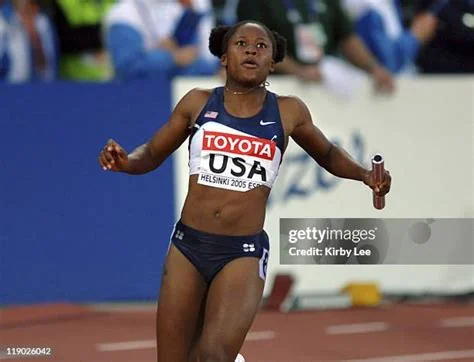
Lauryn Williams, the first American woman to medal in both Summer and Winter Olympics, once commanded a $200,000‑a‑year Nike contract. Today she works as a $12‑per‑hour intern while training to become a financial advisor. Her dramatic shift highlights the financial instability many in the United States elite athletes face once the spotlight fades.
The Dual‑Sport Rise of Lauryn Williams
Williams captured a silver medal in the 100‑meter dash at the 2004 Athens Games and anchored the U.S. 4×100‑meter relay to gold in London 2012. She then transitioned to bobsled, earning a silver medal in the two‑woman event at the 2014 Sochi Winter Games, becoming the first American woman to medal in both seasonal Olympics.
From Six‑Figure Sponsorship to a $12/Hour Internship
At age 20, Nike signed Williams to a six‑figure deal worth $200,000 annually, covering performance bonuses, endorsements, and speaking engagements. As her Olympic appearances concluded, the contracts ended, and she accepted a $12‑per‑hour internship with a financial‑services firm to gain experience for a new career as a financial advisor.
Economic Realities for Olympic Medalists
Only a small fraction of medalists secure long‑term sponsorships, and those deals often diminish after an Olympic cycle. Women athletes, especially in sports with limited commercial appeal, face an even thinner sponsorship pipeline. When visibility drops, sponsors reassess budgets, leading to abrupt income reductions for athletes who relied on those deals.
Calls for Better Athlete Support Systems
Williams’ experience underscores the need for comprehensive post‑career programs, including financial‑literacy education, career‑transition counseling, and mentorship. While the U.S. Olympic & Paralympic Committee offers a “Career Development” grant, critics argue the funding is insufficient and difficult to access for athletes balancing training and personal responsibilities.
Expert Insight: Financial Planning for Athletes
John “J.J.” Miller, Certified Financial Planner and former collegiate sprinter: “Lauryn’s situation is a textbook example of the ‘post‑peak’ financial cliff many athletes encounter. Early financial planning—diversifying income streams, investing wisely, and building a brand beyond sport—is essential. Sponsors can help by providing financial‑education stipends or partnering with firms that specialize in athlete transition.”
Expert Insight: Gender and Racial Disparities in Sports Economics
Dr. Maya Patel, Sports Sociologist: “Black women athletes often receive lower sponsorship valuations despite comparable performance. Lauryn’s shift from a six‑figure deal to a $12‑hour wage illustrates the volatility of a market that undervalues long‑term athlete contributions. Policy interventions, such as mandatory post‑career support funds for Olympic medalists, could mitigate these inequities.”
Looking Forward: Lauryn Williams’ New Role
As the Milano‑Cortina Games approach, Williams will appear as a financial advisor and advocate for athlete welfare. Her transition from sprint lanes to spreadsheets represents a new race that demands the same discipline and resilience that earned her Olympic glory. The broader sports community must learn from her story to build sustainable support structures for all athletes.