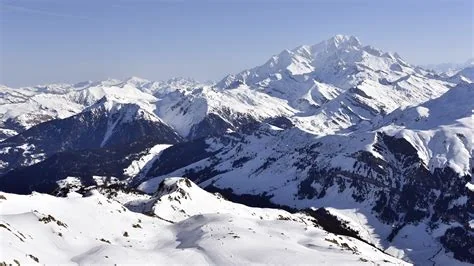
The French Alps are gearing up to host the 2030 Winter Olympics and Paralympics, unveiling new venues like a sliding centre in La Plagne and an ice arena in Albertville while rolling out a climate‑friendly strategy that includes renewable‑powered snowmaking and a shift to a January schedule. A €200 million Alpine Green Fund and a legacy plan aim to boost tourism, create jobs, and turn Olympic infrastructure into lasting community assets.
Venue Development and Construction Progress
The French Alps Organising Committee confirmed that construction has moved from design to groundbreaking for key facilities. Approximately 70 % of venues are already operational or in advanced renovation stages, reducing the risk of cost overruns seen in recent Games.
Key New Facilities
- Sliding centre in La Plagne – a state‑of‑the‑art venue for bobsleigh, skeleton and luge.
- Ice arena in Albertville – a high‑tech arena designed for figure skating and ice hockey.
Climate Change Mitigation Measures
Rising temperatures threaten natural snowfall in the Alps. The Organising Committee has adopted a multi‑pronged approach to safeguard the Games and the environment.
Artificial Snowmaking
Energy‑efficient snow cannons will be installed across priority slopes, with 30 % of electricity sourced from local hydro‑electric plants.
Potential January Schedule Shift
Collaborating with the IOC, the committee is evaluating an early‑January start to capture more reliable snow conditions and cooler temperatures.
Alpine Green Fund and Carbon Offsetting
A €200 million Alpine Green Fund will finance reforestation, alpine habitat restoration and carbon‑capture research in partnership with French universities.
Legacy Plan for Sustainable Growth
The Alpine Legacy Plan transforms temporary Olympic infrastructure into long‑term community assets, driving tourism, job creation and regional development.
Sports Hubs After the Games
- The sliding centre will serve as a training ground for French and international athletes.
- The ice arena will host local leagues, public skating programs and future competitions.
Tourism and Economic Impact
New high‑speed rail links between Lyon, Grenoble and mountain venues aim to increase winter tourism by 15 % over the next decade. Preliminary estimates project €3.5 billion in direct and indirect economic activity, emphasizing sustainable job creation in construction, hospitality and renewable energy sectors.
Expert Insight from FAOC Leadership
Jean‑Pierre Leclerc, Head of Alpine Operations for the FAOC, said: “We are standing at a crossroads where sport, climate, and community intersect. Our priority is to deliver a Games that athletes love to compete in while ensuring the mountains we cherish remain viable for future generations. The shift to an earlier schedule, the investment in green snow technology, and the legacy commitments are not just check‑boxes—they are the blueprint for a resilient Winter Olympics.”
Next Milestones and Future Outlook
The next major step is the IOC’s formal approval of the detailed venue plan and the potential calendar shift at the 2025 Session in Paris. Meanwhile, national federations are conducting test runs on the newly groomed slopes of Les Arcs, signaling confidence in the Alpine venues and the sustainability roadmap.