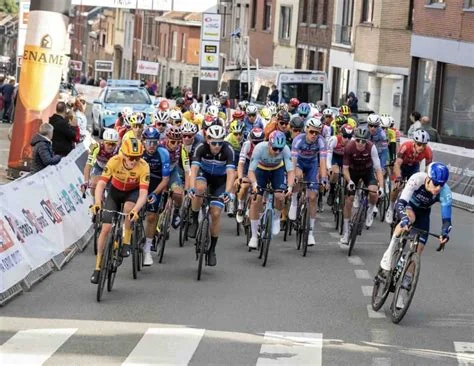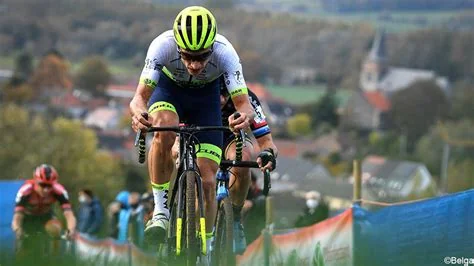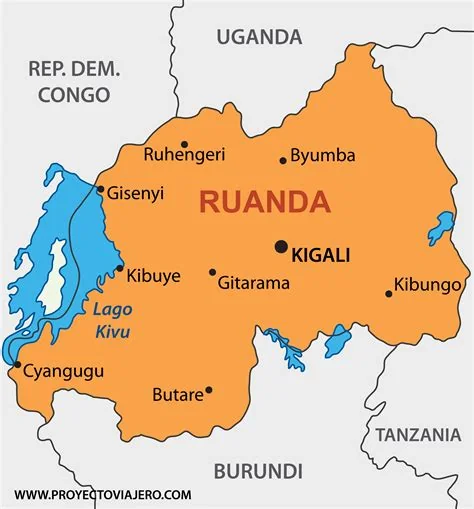
The Rwanda Tour, East Africa’s premier cycling race, suffered a tragic crash this past weekend that claimed the lives of two spectators and injured six others. A support vehicle lost control on a mountain‑stage descent, striking the crowd barrier. The incident has sparked urgent calls for stricter safety protocols, even as Rwanda continues to build its reputation as a secure, tourism‑friendly nation.
Rwanda Tour Accident Overview
Incident Details
A support vehicle accompanying the race veered off the designated path at the start of a mountain segment, collided with the protective barrier, and struck spectators gathered at the viewing area. The crash resulted in two fatal injuries and six additional injuries ranging from minor to serious. Event organizers have halted the affected stage and launched a comprehensive investigation to determine the precise cause of the loss of vehicle control.
Rwanda’s Emerging Reputation as a Safe Sports Destination
Despite the tragedy, Rwanda is recognized for its political stability, low crime rates, and proactive public‑safety policies. The government’s focus on security has attracted international sporting events, positioning the country as a reliable host for high‑profile competitions. This reputation supports Rwanda’s broader tourism strategy, which aims to combine safe travel experiences with the nation’s natural attractions.
Geography, Wildlife, and Coffee Economy
Rwanda’s landscape is dominated by rolling hills and high‑altitude terrain, with much of the country situated above 1,500 meters. The mountainous environment nurtures iconic wildlife, such as the mountain gorilla populations protected within the Volcanoes National Park. Parallel to its ecotourism appeal, coffee cultivation remains a cornerstone of the economy, driving foreign investment, fostering community reconciliation, and contributing significantly to national income.
Safety Measures and Future Implications
Organizer Response
Race officials have announced a temporary suspension of the affected stage while they review and upgrade vehicle‑movement protocols. Planned enhancements include reinforced barrier systems, stricter separation between support vehicles and spectators, and mandatory advanced‑training programs for drivers operating in high‑pressure race environments.
Expert Commentary
Local cycling coach Samuel Nkurunziza emphasized that “the safety of riders and fans is our top priority. This incident underscores the need for continuous safety audits, even as Rwanda makes progress in providing a secure environment for large‑scale events.” He affirmed the commitment to implement tighter security measures to preserve the Rwanda Tour’s reputation for excellence.
Impact on Rwanda’s Sports Tourism
The tragedy, while sobering, does not diminish Rwanda’s potential as a hub for international sports tourism. The Rwanda Tour continues to showcase the nation’s capacity to host world‑class competitions, attracting elite cyclists and global audiences. Ongoing investment in infrastructure, safety training, and collaborative support from the international cycling community will be essential to sustain confidence among participants and spectators.
Conclusion
The loss of two spectators during the Rwanda Tour highlights the inherent risks of mass sporting events. Nevertheless, Rwanda’s commitment to safety, its thriving coffee sector, and its celebrated natural heritage keep it on a promising trajectory as a premier destination for sports and tourism. Continuous improvements in safety protocols will be vital to ensure that future editions of the Rwanda Tour remain both thrilling and secure for all involved.