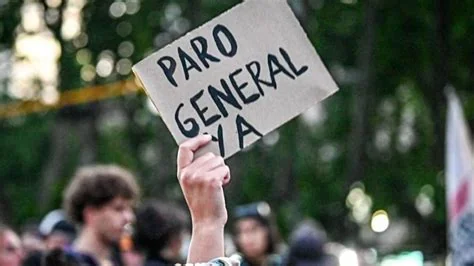
On March 1, the Argentine Football Association (AFA) announced a full suspension of the Apertura’s ninth round, responding to a consumer‑rights complaint that the league’s leadership is withholding mandatory social security contributions. The four‑day freeze stops all professional and lower‑division matches, reshaping the calendar, TV contracts, club revenues, and creating uncertainty for players and fans.
Which Matches Were Cancelled?
The suspension covers the entire ninth matchday, which originally featured three high‑profile fixtures:
- River Plate vs. Boca Juniors
- Racing Club vs. Independiente
- Defensa y Justicia vs. San Lorenzo
All three games were cancelled indefinitely, forcing the AFA to revise the league table and to redesign the remaining schedule.
Background of the Conflict
The dispute began when the Argentine Consumers’ Association (ARCA) filed a formal complaint in early February, accusing AFA president Claudio “Chiqui” Tapia and vice‑president Pablo Toviggino of retaining contributions meant for player and staff social security. ARCA claims the league has repeatedly failed to provide transparent accounting and to meet contractual obligations. In response, the AFA summoned a congressional investigative commission, which launched an inquiry into the alleged irregularities on March 5.
Immediate Consequences
Calendar Impact
The four‑day halt forces the AFA to consider inserting a “phantom round” later in the season, potentially extending the competition into late November. This reshuffling also affects international commitments such as the Copa Sudamericana.
Television Rights
Broadcast partners—including TyC Sports, DirecTV and ESPN—face penalty clauses for missed airtime. Negotiations are under way to re‑allocate vacant slots and to minimise revenue loss, provided the AFA can guarantee a revised match schedule.
Club Finances
Revenue streams from broadcasting, sponsorship and ticket sales are immediately jeopardised. Smaller clubs, which rely heavily on match‑day income, have voiced concerns over cash‑flow shortfalls. The AFA announced an emergency fund, financed by its own contributions and by willing sponsors, to support the most vulnerable clubs.
Players and Technical Staff
While the break offers a brief physical respite, it also creates competitive uncertainty. Teams have been instructed to maintain training under injury‑prevention protocols while awaiting the resolution of ARCA’s complaint. Some players have publicly supported the protest, calling for greater transparency in the handling of social‑security funds.
Fans
Supporters, accustomed to a packed football calendar, suddenly found their favourite matchups erased. Social media erupted with messages of solidarity for the players and criticism of league officials, while pressure mounts for a swift resolution and the return of regular fixtures.
Legal Perspective
Diego Martínez, a sports‑law attorney and former Primera División player, explained the legal dimension of the strike:
“From a legal standpoint, the suspension is a legitimate pressure tool as long as it respects regulatory frameworks. ARCA’s allegation targets the core issue of proper management of mandatory social‑security contributions. If the AFA fails to provide clear answers, confidence among clubs and players will erode, potentially leading to harsher sanctions from oversight bodies. The strike, though costly, signals that stakeholders demand greater transparency and compliance.”
Martínez added that clubs should focus on short‑term financial planning to cushion the impact, while the AFA must develop a medium‑term action plan that includes independent audits and robust accountability mechanisms.
Future Outlook
The halt of matchday 9 marks a turning point in the relationship between the AFA, clubs and regulatory agencies. In the coming days the AFA is expected to deliver a detailed report on the disputed contributions and to set a definitive timetable for resuming competition. Meanwhile, clubs will decide whether to maintain the strike or to return to training, and fans will continue to monitor official communications closely.
Conclusion
The Argentine football stoppage extends beyond a simple fixture cancellation; it raises fundamental questions about governance, financial transparency and stakeholder trust. How the AFA addresses ARCA’s allegations and restructures its financial oversight will shape the future stability of the national league.