
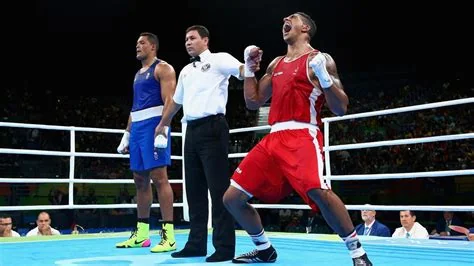
Tony Yoka, 2016 Olympic heavyweight champion for France, has changed his sporting nationality to the Democratic Republic of the Congo and will compete for the DRC, aiming to win a second Olympic gold at the 2028 Los Angeles Games. The move reflects his heritage, strategic goals, and a boost for Congolese boxing.
Champion’s Journey
Born in the Paris suburbs to Congolese parents, Yoka rose through the gritty gyms of Montreuil. He earned a silver medal at the 2015 World Championships and captured France’s first Olympic boxing gold in Rio 2016 with a dominant jab‑cross combination. Since turning professional, Yoka has mixed high‑profile bouts with developmental fights, notably out‑boxing Russian prospect Arslan Yallyev in May 2025.
Why the Switch to Congo?
Yoka’s decision stems from personal heritage, strategic ambition, and a desire to uplift a nation historically under‑represented in global boxing. He stated, “My roots run deep in the Congolese soil. I want to honor my family, my community, and inspire a new generation of Congolese athletes.” The switch creates a clear pathway to the 2028 Los Angeles Olympics under the Congolese flag.
Impact on French Boxing
France’s boxing federation acknowledges Yoka’s right to pursue his heritage while noting the loss of a proven heavyweight. President Jean‑Claude Duval called Yoka’s contributions “indelible” and emphasized the need to develop rising talents such as Mohamed Diarra and Victor Ould to fill the void.
Congo’s Boxing Landscape: A New Dawn
The Democratic Republic of Congo, better known for football and athletics, has struggled to produce elite heavyweight boxers. Yoka’s arrival brings elite experience, prompting plans for youth clinics, joint training camps with French coaches, and a national talent‑identification program slated for early 2026. His role will bridge French methodology and Congolese grassroots development.
2028 Olympic Quest
At 30, Yoka remains in the prime age bracket for heavyweight amateurs. The upcoming European Boxing Championships in June 2026 will test his form. His presence dramatically improves the DRC’s chances of securing an Olympic berth, potentially reshaping the competitive balance of African heavyweight boxing.
Expert Insight
Veteran trainer Karim “The Hammer” Boulah, who coached Yoka during his amateur years, called the move “a masterstroke in terms of legacy building.” He emphasized that Yoka must maintain elite‑level sparring partners and a competitive fight schedule while supporting the Congolese program to keep a second Olympic gold within reach.
Conclusion
Tony Yoka’s switch to represent the Democratic Republic of Congo blends personal identity, strategic foresight, and a genuine desire to elevate a nation on the world stage. While France bids farewell to a golden era, the DRC welcomes a champion whose pedigree could reshape its sporting narrative and potentially deliver a historic dual‑nation Olympic triumph in 2028.