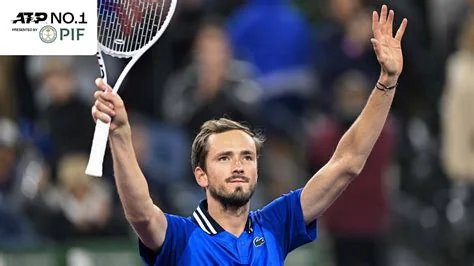
Former world No. 1 Daniil Medvedev warns that the current ATP calendar forces elite players into an 11‑month grind, risking fatigue, injury, and mental strain. He urges the ATP to restructure ranking points so only Grand Slams and Masters 1000 events count, giving players a clear off‑season and preserving peak performance.
Medvedev’s Rise from Moscow to World No. 1
Daniil Sergeyevich Medvedev was born on 11 February 1996 in Moscow. The youngest of three children, he began tennis after his mother saw a local program advertisement. From public courts to his breakthrough at the 2016 Shenzhen Challenger, Medvedev captured his first ATP title in 2019, entered the top 10 in 2020, and defeated Novak Djokovic to win the 2021 US Open. His powerful baseline game and relentless work ethic propelled him to the No. 1 ranking in February 2022.
The Physical and Mental Toll of a Year‑Long Schedule
In a recent interview, Medvedev described the grueling travel schedule, constant changes in venue, surface, and climate, and the mental strain of staying competitive across an eleven‑month season. He emphasized that players are expected to perform at their best week after week with little time to recover, turning the tour into a marathon without a proper finish line.
Current Ranking‑Point Structure
The ATP awards points at every tournament level, from ATP 250 events to Grand Slams. Medvedev argues that this system forces players to compete in lower‑tier events even when they are physically or mentally drained, simply to protect their rankings.
Proposal: Points Only at Majors and Masters
Medvedev suggests a radical overhaul: only the four Grand Slam tournaments and the nine Masters 1000 events would award ranking points. All other tournaments would become optional, serving as exhibition‑style events for preparation, fan engagement, or additional income, without jeopardizing a player’s ranking.
Potential Impact on the ATP Tour
Adopting this model would shift the focus to the premier events, potentially boosting their prestige and viewership. However, lower‑tier tournaments could lose top‑player participation, affecting financial viability and exposure for smaller markets.
Benefits for Players
A condensed schedule would give athletes clearer macro‑cycles: peak performance for the biggest events and genuine rest periods in between. This could reduce injury rates, lower burnout risk, and improve overall mental health.
Challenges and Criticisms
Critics warn that limiting points to majors could widen the gap between elite and up‑and‑coming players, reducing opportunities for lower‑ranked athletes to climb the ladder. Balancing commercial revenue with player welfare would require careful planning.
Expert Insight on Player Wellness
Sports physiotherapist Dr. Elena Kovalenko notes that the current calendar forces athletes into a continuous “training‑competition” mode, compressing recovery cycles and increasing injury risk. “A points‑only‑at‑majors model would give players a clearer macro‑cycle: peak for the big events and a genuine rest window in between,” she explains, highlighting the need for athlete‑centred scheduling.
What Lies Ahead for Medvedev and the ATP
While the ATP has not yet issued a formal response, Medvedev’s outspoken stance signals a growing willingness among top players to push for structural change. The debate now centers on whether governing bodies can balance commercial imperatives with the health of athletes, ensuring the sport remains competitive and engaging for fans.