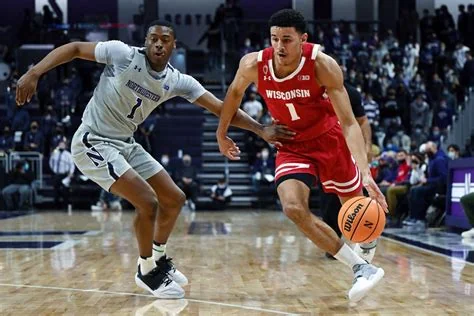
The Wisconsin Badgers fell 85‑71 to unranked Oregon, snapping a 84‑71 win over Iowa and exposing a sharp decline in shooting efficiency, defensive cohesion, and over‑reliance on senior guard Nick Boyd. The defeat drops the Badgers to a tie for the sixth seed in the Big Ten, igniting urgent questions about offensive rhythm, defensive consistency, and their path to a late‑season surge.
Shooting Woes Undermine Badgers’ Attack
The Badgers shot just 33.3% from the field and 31.1% from three‑point range, a stark drop from the 45% they posted against Iowa. Tight defensive pressure, limited ball movement, and a lack of penetration forced Wisconsin into contested jumpers. Oregon’s disciplined half‑court sets limited Wisconsin’s ability to generate open looks, leaving the Badgers scrambling for low‑percentage perimeter shots.
Defensive Inconsistencies Need Tightening
Wisconsin allowed Oregon to shoot 45% overall and 38% from three, a reversal of the sub‑40% three‑point defense they displayed against Iowa. The Ducks exploited Wisconsin’s reliance on half‑court sets with quick ball reversals and aggressive off‑ball movement, creating open looks. Transition defense, once a strength under Coach Greg Gard, faltered in the second half, giving Oregon second‑chance points that widened the gap.
Nick Boyd Remains a Consistent Scoring Beacon
Amid the team’s struggles, senior guard Nick Boyd delivered 22 points, five rebounds, and four assists. His ability to generate offense kept Wisconsin competitive, echoing his 27‑point, double‑double performance versus Iowa. Boyd’s consistency offers a bright spot, but also highlights the need for additional scoring contributions from the supporting cast.
Season Context: From Highs to Lows
The Badgers entered the season with high expectations, anchored by a veteran core and a promising recruiting class. Early conference play produced a solid 5‑2 record, but defensive frailties emerged in a loss to Ohio State. The win over Iowa suggested a return to form, yet the Oregon defeat reveals lingering inconsistencies that threaten the team’s momentum heading into the final stretch of conference play.
Implications for Tournament Seeding and Recruiting
With a 10‑5 overall record and a 7‑5 conference mark, the Oregon loss jeopardizes Wisconsin’s chance to secure a top‑four seed in the Big Ten tournament. Dropping to a tie for the sixth seed could create a tougher tournament path. Moreover, continued shooting slumps may affect recruiting narratives, as high‑school prospects often prioritize programs that demonstrate efficient offensive execution.
Coach Gard’s Perspective
Coach Greg Gard acknowledged the shortcomings, stating: “We didn’t execute the way we needed to. Our shooting was off, and we didn’t adjust our offensive sets quickly enough when the ball wasn’t finding the basket. Nick did everything he could to keep us in the game, but basketball is a team sport. We have to get the ball moving, create higher‑percentage looks, and tighten up defensively, especially on transition.” His comments underscore a pragmatic approach focused on ball movement, defensive transition, and collective improvement.
Path to Redemption
Wisconsin’s upcoming schedule offers both challenges and opportunities. To translate lessons from the Oregon loss into actionable adjustments, the Badgers should focus on three key areas:
- Offensive Rhythm: Incorporate more pick‑and‑roll actions to free Boyd and generate higher‑percentage mid‑range shots.
- Defensive Communication: Reinforce transition‑defense drills to limit second‑chance points.
- Bench Contribution: Encourage role players to step up, alleviating the scoring burden on Boyd.
If the Badgers can address these facets, they remain well‑positioned to secure a respectable seed and make a deep run in the Big Ten tournament. The Oregon loss, while a setback, could serve as a catalyst for a late‑season surge.