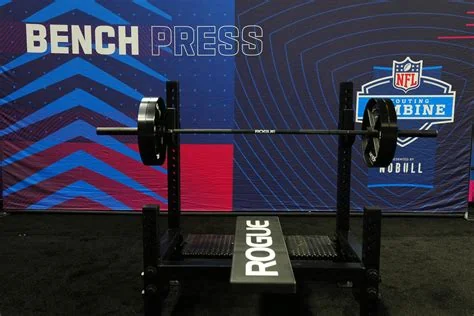
Teams are pouring over the 2026 NFL Combine data, where over 300 prospects delivered record‑setting speed, power, and measurable metrics that will shape the upcoming draft. The combine produced a 4.39‑second 40‑yard dash for quarterback Caleb McKinney, 33 bench‑press reps for lineman Marcus Howard, and elite vertical jumps for receivers, signaling a shift toward athleticism across the board.
Full Schedule Overview
The five‑day event runs from February 22 to February 26, featuring position‑specific drills, strength tests, and final medical evaluations.
- Day 1 (Feb 22) – Quarterbacks and tight ends tackle the 40‑yard dash, three‑cone drill, and short‑area agility tests.
- Day 2 (Feb 23) – Wide receivers and defensive backs run the 20‑yard shuttle and vertical jump, while offensive linemen begin the bench‑press series.
- Day 3 (Feb 24) – Running backs showcase the 3‑cone drill and broad jump; linebackers complete the short‑shuttle and 40‑yard sprint.
- Day 4 (Feb 25) – Defensive linemen finish the bench press, then move to the 40‑yard dash and positional drills.
- Day 5 (Feb 26) – Final day features the full‑speed 40‑yard dash for all positions, plus medical examinations and interviews with team personnel.
Key Performance Numbers
Stand‑out metrics from the combine illustrate emerging trends in speed and strength.
- Quarterback speed – Caleb “Lightning” McKinney (5’10”, 210 lb) posted a 4.39‑second 40‑yard dash, the fastest among signal‑callers, with a 38.5‑inch vertical.
- Edge rushers – Jalen Porter (6’4”, 260 lb) recorded a 4.62‑second 40‑yard dash, a 29‑inch vertical, and 28 bench‑press reps at 225 lb.
- Offensive line strength – Marcus “Tank” Howard logged 33 bench‑press reps and a 5.10‑second 40‑yard dash, demonstrating a rare blend of power and agility.
- Receiving depth – Jaxon Reed (5’11”, 185 lb) posted a 4.35‑second 40‑yard dash and a 41‑inch vertical, placing him among the league’s fastest receivers.
Additional measurements such as hand size, arm length, and body‑fat percentages (average 9.2 % for defensive backs) provide a complete athletic profile for each prospect.
Why the Combine Matters Now
The combine offers a controlled environment for teams to validate film study, compare athletes side‑by‑side, and assess mental makeup through on‑site interviews. Rapid, standardized data helps clubs confirm a prospect’s ability to perform under pressure and informs draft‑day decision‑making.
Draft Board Implications
Early data suggests a shift toward prioritizing athleticism. Edge rushers with sub‑4.7 40‑yard times, like Jalen Porter, are climbing fast‑track boards, while power backs with slower dash times may see their stock dip despite solid production. Receivers pairing elite speed with high verticals are also poised to rise on draft charts.
Scouting Insights
Veteran scout Mike Johnson notes, “The convergence of speed and size is reshaping our valuation models. When a 260‑pound edge rusher can run a 4.6 and still move that weight, it forces us to rethink traditional power‑first metrics.” He adds that live streaming of drills allows scouts to capture subtle body‑language cues that film alone can miss.
Looking Ahead
As the combine winds down, teams will synthesize the raw numbers with film study and pro‑day performances. The final day’s 40‑yard dash results and medical clearances will fine‑tune draft boards, influencing which prospects become first‑round candidates and which slide into later rounds. The data‑rich showcase has set the stage for a dynamic 2026 draft weekend.