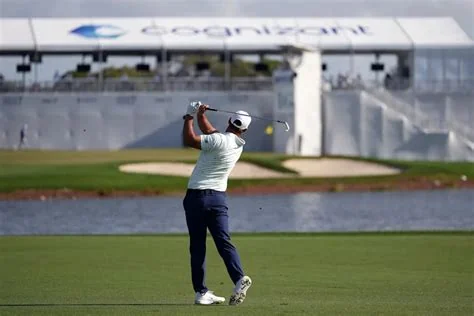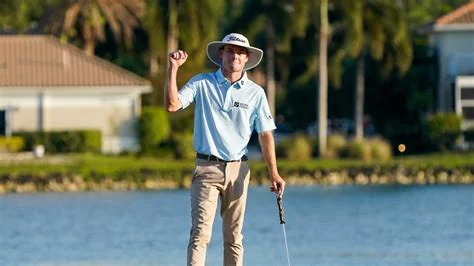
Will Zalatoris pulled out of the Cognizant Classic at the last minute, citing ongoing back rehabilitation after two spine surgeries, including a disc replacement. The abrupt withdrawal highlights persistent pain, mental fatigue, and a cautious return‑to‑play strategy that could shape his 2026 season and long‑term career trajectory.
The Sudden Withdrawal Explained
Zalatoris was scheduled to tee off at PGA National in The Palm Beaches, but minutes before the first‑round start the PGA Tour listed a “WD” (withdrawal) with no detailed reason. Within days, the golfer clarified that he is “rehabbing his mind, body and game,” emphasizing a holistic recovery that addresses both physical limitations and psychological readiness.
Rise, Peak, and the Back Crisis
Breakout Season and Early Success
Emerging as a Texas A&M star in 2019, Zalatoris burst onto the professional scene in 2022, finishing runner‑up at the PGA Championship and clinching the 2023 Tour Championship. Those achievements positioned him as a premier talent on the PGA Tour.
Spine Injuries and Surgical Interventions
Late 2023 brought persistent lower‑back discomfort, escalating to a herniated disc that required a disc replacement surgery in early 2024. A second procedure—a micro‑discectomy—followed in mid‑2025 after pain recurred. Since the second operation, Zalatoris has started only 13 PGA Tour events, far fewer than the 20‑plus events typical for a full‑time player.
Why the Cognizant Classic Mattered
The Cognizant Classic, a marquee event at PGA National, offers a deep field and valuable FedEx Cup points. A strong performance could have boosted Zalatoris’s confidence heading into the spring swing and improved his standing in the FedEx Cup race. The withdrawal instead underscored lingering health uncertainties.
Career Implications of the Withdrawal
Missing a high‑profile tournament translates to lost FedEx Cup points, reduced prize earnings, and diminished sponsor visibility. However, a cautious approach may protect his long‑term health, as repeated setbacks could exacerbate chronic spinal issues and jeopardize his future on tour.
The Mental Component of Rehab
Zalatoris emphasized the psychological strain of his injury, noting that “rehabbing my mind” involves coping with performance anxiety, fear of re‑injury, and the pressure of early‑career expectations. Athletes returning from spinal surgery often battle confidence deficits, making mental conditioning as vital as physical therapy.
Key Elements of Zalatoris’s Rehab Plan
- Core stabilization: Targeting multifidus and oblique muscles to support the spine during the rotational forces of a golf swing.
- Rotational flexibility: Enhancing thoracic and lumbar mobility to restore a fluid swing path.
- Gradual load progression: Incrementally increasing swing intensity and on‑course practice rounds to monitor pain response.
- Mental rehearsal: Visualizing swing sequences without pain to accelerate neuromuscular reintegration.
What’s Next for Zalatoris?
The next phase involves a structured “return‑to‑play” plan, likely beginning with low‑impact competitive rounds such as pro‑am events or regional tournaments. The goal is to evaluate swing consistency, endurance, and pain levels before committing to a full‑field schedule.
Broader Tour Implications
Zalatoris’s openness about his rehabilitation adds momentum to the PGA Tour’s “Player Health & Safety” initiative, encouraging peers to prioritize comprehensive recovery over rushed returns. His experience may serve as a model for managing spinal injuries in a high‑stakes professional environment.
In summary, Will Zalatoris’s last‑minute exit from the Cognizant Classic underscores the demanding physical and mental challenges of modern professional golf. While the immediate disappointment is palpable, his methodical, mind‑body‑focused rehab could extend his career and set a precedent for injury management across the Tour.