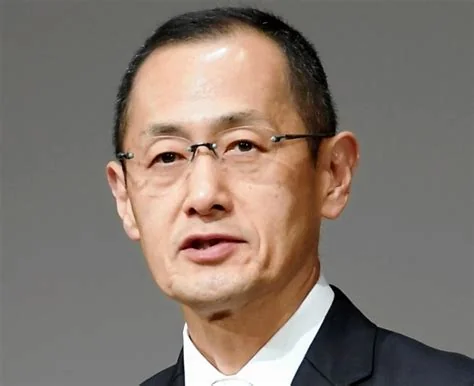
Last month, a Japanese government committee approved two regenerative medicine products using iPS cells, marking a significant milestone in the field. Professor Shinya Yamanaka, who developed iPS cells, commented on this breakthrough, highlighting its importance for social implementation.
iPS Cell Development and Applications
iPS cells, which can differentiate into various body tissues and organs, have garnered significant attention in regenerative medicine. Professor Yamanaka successfully created iPS cells in mice in 2006 and human iPS cells in 2007. His research has led to a deeper understanding of iPS cells and their potential applications.
Kyoto University iPS Cell Research
The Kyoto University iPS Cell Research Institute is utilizing iPS cell creation techniques for drug development, new treatment discovery, disease research, and regenerative medicine applications. Professor Yamanaka’s work has opened up new possibilities in regenerative medicine.
Challenges and Future Directions
Despite this progress, many challenges remain for iPS cell practical applications. The government has approved regenerative medicine products using iPS cells, but actual implementation in medical settings will take time. Professor Yamanaka views iPS cell research as a long-term endeavor, comparable to running, which helps him reflect on his research timeline.
Expert Insights
- iPS cell research is just beginning, and significant hurdles must be overcome.
- Professor Yamanaka’s comments emphasize the importance of this progress toward social implementation.
- Continued research is crucial for unlocking new possibilities in regenerative medicine.
Future Prospects
As iPS cell research advances, we can expect new treatments to emerge in regenerative medicine. With this significant step toward social implementation, the future of iPS cells is increasingly promising. Professor Yamanaka’s pioneering work will likely continue to shape the field.