




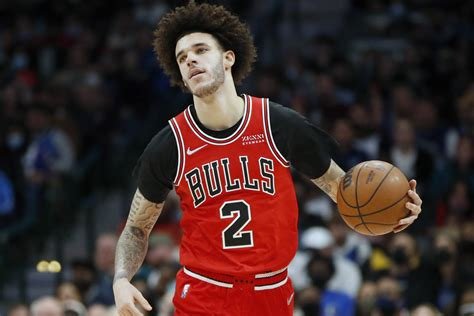
Lonzo Ball entered the Cleveland Cavaliers in the summer of 2025 as a veteran playmaker meant to back up All‑Star point guard Darius Garland. Six months later, his minutes have dwindled, and with the 2026 trade deadline approaching, the Cavs are weighing whether to keep him as a bench spark or move him for future assets.
Trade Theory and Expectations
Why Cleveland Pursued Ball
The Cavs needed a secondary ball‑handler who could maintain pace without sacrificing defense. Ball’s résumé—three All‑Defensive nominations, strong court vision, and a reputation as a “coach’s player”—matched the profile Cleveland sought to complement Darius Garland, Evan Mobley, and a deep bench under head coach J.B. Bickerstaff.
What Chicago Gained
In exchange, the Bulls received Isaac Okoro, a versatile wing with improving offensive skills. Both sides addressed clear roster needs, making the trade appear balanced at the outset.
Early Struggles and Notable Production
Ball’s debut season was hampered by a lingering foot issue that limited his early minutes. When Garland suffered a foot injury in early January 2026, Ball was thrust into the starting lineup. In a 133‑107 win over the Philadelphia 76ers on January 13, he logged 14 minutes, contributing nine points (3‑of‑6 shooting, three triples), four rebounds, and four assists. The performance demonstrated his ability to keep the floor moving in limited windows and earned him a brief return to the rotation.
Current Rotation Status and Deadline Outlook
By February, the Cavs’ rotation tightened as Garland returned and younger guards such as Collin Simmons earned increased minutes. Ball now sits on the fringe of the rotation, prompting speculation about his future as the trade deadline approaches. The coaching staff must decide whether his veteran experience and defensive acumen justify a roster spot or if moving him could free up assets for the long term.
Potential Trade Scenarios
If Cleveland opts to trade Ball, the most likely return would be a second‑round draft pick or a young prospect with upside—mirroring the original exchange that sent Okoro to Chicago. Such a move would shift the Cavs from a win‑now focus reliant on veteran depth toward a more future‑oriented strategy that values draft capital and salary flexibility.
Implications for the Cavaliers and Lonzo Ball
Trading Ball would open a roster slot for a developing guard, potentially accelerating the growth of home‑grown talent like Simmons. It would also signal Cleveland’s willingness to pivot toward rebuilding assets as they eye deeper postseason runs.
For Ball, a new destination could revitalize his career. Mid‑tier contenders seeking a seasoned floor leader—such as the Detroit Pistons—or rebuilding teams like the Orlando Magic could value his defensive prowess, basketball IQ, and tempo‑management skills.
Conclusion
Lonzo Ball’s tenure with the Cleveland Cavaliers illustrates the fine line between strategic acquisition and immediate performance. What began as a logical trade to bolster the point‑guard position has evolved into a deadline‑day dilemma. The Cavs’ decision will shape both Ball’s next chapter and Cleveland’s broader philosophy heading into the postseason and beyond.